
Key Highlights
- Volatile sessions can affect judgement, timing, and trading discipline.
- Structured routines help traders maintain consistency during uncertainty.
- Risk management habits reduce emotional decision-making during active markets.
- Funded trading environments require steady execution under pressure.
Introduction
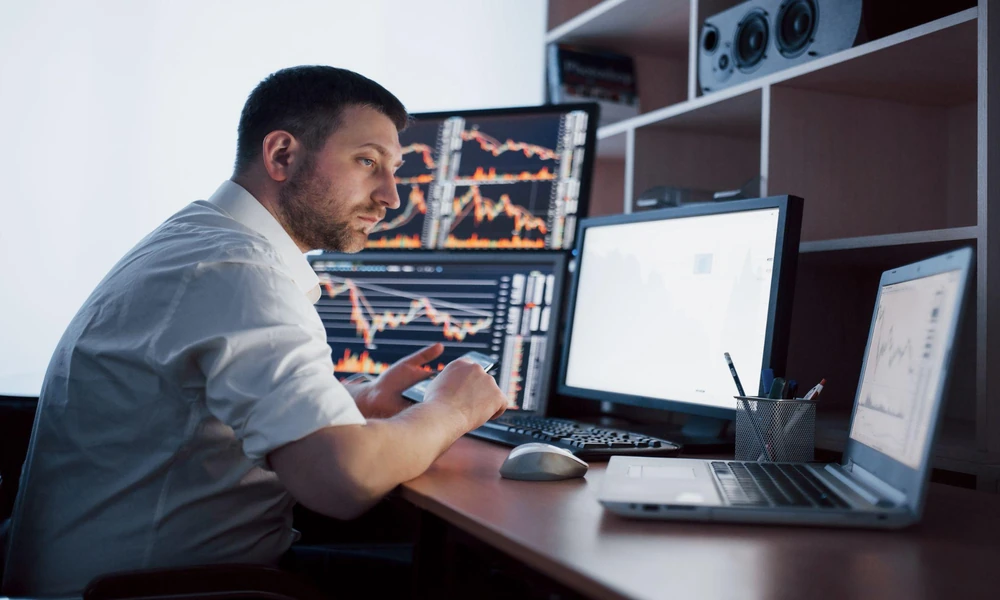
Rapid price swings can create difficult conditions for traders trying to maintain discipline across changing market sessions. Emotional reactions, rushed entries, and inconsistent planning frequently appear when volatility increases across forex, indices, or commodities. Traders working through funded trading programmes usually face additional pressure because account rules remain active regardless of market behaviour.
Focus becomes increasingly important during unpredictable sessions because mistakes develop quickly once emotions replace planning. Several of the best prop trading firms encourage traders to maintain routines that prioritise patience, risk management, and controlled execution during unstable conditions. Clear preparation before the market opens can help traders avoid reactive behaviour once price movement accelerates.
Preparing Before Volatility Increases
Professional environments, such as the best prop trading firms, heavily emphasise market preparation before active sessions even begin. Economic calendars, key resistance zones, and scheduled announcements provide vital context regarding where sudden movement may appear. Strong preparation ultimately reduces the urge to chase unpredictable price action after volatility already enters the market.
Organising daily sessions through written plans that outline entry conditions, stop placement, and maximum exposure is a common habit among professionals. Structured preparation limits hesitation because individuals already understand which setups deserve attention and which situations should be ignored completely. Strict discipline proves especially useful when navigating the unique pressures of funded trading.
Unnecessary distractions during active sessions frequently weaken concentration once markets begin moving rapidly. Social media commentary, emotional discussions, and excessive chart switching are therefore eliminated by disciplined individuals. Cleaner workspaces and simplified chart layouts help maintain stronger attention across longer periods.
Managing Emotions During Fast Market Conditions
Volatility affects emotional control even among experienced individuals. Sudden reversals, rapid momentum shifts, and unpredictable candles can create frustration that encourages impulsive decisions. Emotional reactions usually develop when participants focus too heavily on immediate profit opportunities instead of execution quality.
Evaluating consistency alongside profitability is a standard practice at the best prop trading firms because discipline directly reflects long-term sustainability. Controlled execution frequently produces stronger long-term performance than aggressive execution during unpredictable conditions. Capital is preserved far more effectively by those who remain patient rather than reacting emotionally to every fluctuation.
Stable emotional control remains particularly crucial to maintain during funded trading, as one reckless position may create unnecessary drawdown pressure. Strict personal limits reduce emotional overexposure during difficult sessions. Short breaks between trades, reduced position sizing, and fewer active setups can help preserve composure during unstable periods.
Building Better Focus Through Structured Routines
Consistent routines help maintain organisation when market conditions become chaotic. Morning preparation, chart reviews, and post-session analysis create habits that reduce random decision-making during live hours. Structured repetition also helps identify behavioural mistakes before they evolve into larger performance problems.
Market volatility does not guarantee profitable opportunities every day. Patience plays a major role in long-term consistency because waiting for quality setups prevents unnecessary exposure during unstable price movement. Maintaining realistic expectations during difficult sessions is a hallmark of individuals operating within the best prop trading firms.
Tracking emotional triggers alongside technical performance is highly recommended for anyone participating in funded trading. Journals containing screenshots, execution notes, and emotional observations provide valuable insight after volatile sessions end. Reviewing behavioural patterns helps recognise habits that repeatedly damage performance under pressure.
Risk Management During Unpredictable Sessions
Risk management becomes even more important once volatility increases. Wider price swings can trigger stop losses quickly, creating frustration that encourages revenge execution or oversized positions. Clear exposure limits help maintain discipline while protecting account stability across uncertain conditions.
Capital preservation remains an essential component for long-term growth, which is why the best prop trading firms emphasise controlled risk above all else. Focusing heavily on protecting capital allows individuals to maintain greater flexibility during future sessions. Sustainable habits rarely develop through aggressive decision-making during unpredictable market conditions.
Steady decision-making under pressure frequently dictates the overall success of funded trading. Reducing position sizes during unstable conditions frequently leads to stronger long-term consistency because smaller exposure creates significantly less emotional stress. Conservative execution effectively helps individuals survive difficult sessions without unnecessary account damage.
Conclusion
Volatile market sessions create emotional and technical challenges that test trading discipline across every experience level. Preparation, emotional control, structured routines, and risk management all contribute to stronger decision-making during unstable conditions. Consistency usually develops through patience and controlled execution rather than aggressive reactions to rapid market movement.
Contact WeMasterTrade to explore trading environments designed for disciplined traders focused on long-term consistency.
