
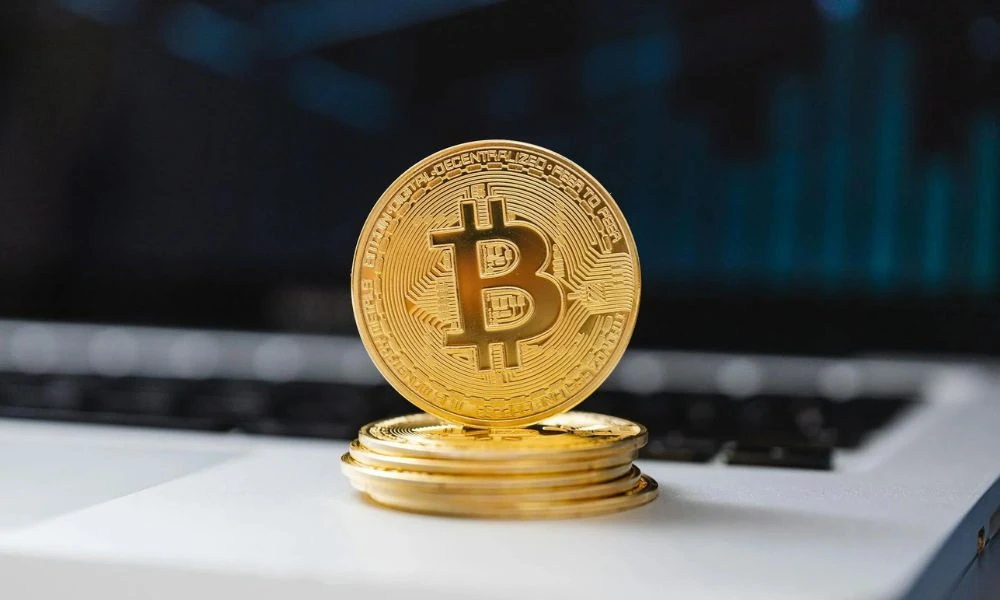
Switching your shipping payments to Bitcoin sounds appealing until you start weighing the actual trade-offs. Yes, you’ll skip card processing fees. But does that saving actually outweigh the extra steps, the price-lock windows, and the learning curve if you’ve never sent crypto before?
Plenty of sellers stay on their card or PayPal setup simply because “it works” and switching feels like unnecessary risk for uncertain reward. That hesitation is fair, but it’s also based on guesswork rather than an actual side-by-side comparison of what changes and what it’s worth.
Here’s a straight breakdown of the real costs, the real savings, and who actually benefits enough to make switching worthwhile.
The Fee Math, Broken Down Honestly
Card processors typically charge 2.5% to 3.5% per transaction, plus a flat fee on top. PayPal often runs similar or higher once cross-border fees apply to international orders. Bitcoin network fees, by contrast, usually run $0.30 to $1 flat, regardless of the label’s price.
On a single $30 domestic label, the difference might only be a dollar or so – noticeable, but not life-changing. On a $150 international label with currency conversion added, the gap widens considerably, often saving several dollars per shipment. The math favors Bitcoin more clearly as label value and shipping volume increase.
Where the Real Savings Show Up
Occasional shippers sending a handful of packages a month won’t see dramatic savings from switching, since the per-label difference stays small at low volume. High-volume sellers moving dozens or hundreds of packages monthly see the math compound fast, turning small per-label savings into a real monthly total worth tracking.
International sellers benefit doubly, since they avoid both card processing fees and currency conversion charges that stack on cross-border orders. If your business ships internationally often, this is where Bitcoin shipping delivers its clearest financial case.
What It Actually Costs You in Time
Setting up a crypto wallet takes a few minutes if you don’t already have one, and funding it requires either buying crypto through an exchange or receiving it as payment. Every label purchase after that setup takes about the same time as a card checkout, assuming you send payment promptly within the price-lock window.
The real time cost isn’t the checkout itself – it’s the learning curve during your first few purchases while you get comfortable with wallet addresses, confirmation waits, and payment windows. That curve flattens quickly after two or three labels.
The Volatility Trade-Off
Bitcoin’s price moves throughout the day, sometimes significantly within an hour. Platforms handle this by locking your quote for a set window, typically 30 to 60 minutes, so you pay exactly what’s quoted regardless of what happens to BTC’s price afterward.
This protects you during checkout, but it doesn’t protect the value of Bitcoin you’re holding before you spend it. If you’re paying with BTC you plan to hold long-term anyway, spending it on postage means giving up potential future appreciation – a genuine opportunity cost worth considering, not just a fee comparison.
Privacy Is a Real Benefit, Not a Marketing Line
Paying with crypto means sharing a wallet address instead of a name, billing address, and card number. Most platforms don’t require an account at all, meaning no stored purchase history tied to your identity. For sellers or individuals who value not having every transaction linked to a searchable profile, this is a genuine and measurable benefit, not just a talking point.
The trade-off here is that crypto payments are final. There’s no chargeback system protecting you the way a credit card dispute process does, so mistakes in your own payment amount fall on you to correct through the platform’s refund process rather than a bank’s.
A Tax Detail That Changes the Math Slightly
Spending Bitcoin on postage can count as a taxable disposal event in several countries, since crypto is often treated as property rather than currency. That means a capital gain or loss gets triggered based on what you originally paid for that BTC, which adds a small bookkeeping step most people don’t expect from a simple shipping purchase.
This doesn’t erase the savings, but it does mean the “worth it” calculation isn’t purely about transaction fees. Factoring in this extra step matters if you ship often enough for it to show up meaningfully on your tax return.
Who It’s Actually Worth It For
Bitcoin shipping is clearly worth it for high-volume sellers, international shippers, and anyone already holding crypto they’d rather spend on something practical than convert to cash first. It’s a weaker case for someone shipping one package a month who’d need to set up a wallet from scratch just to save a dollar or two.
Reviewing your last few months of shipping invoices against a flat network fee estimate is the fastest way to see where you actually land. Checking a platform’s FAQ page answers most remaining questions specific to your carrier and volume.
Run Your Own Numbers
Total your last month’s card processing fees on shipping alone, then compare that number against a flat network fee multiplied by your shipment count. If the gap is meaningful, buy postage with bitcoin for your next shipment and see the savings firsthand rather than estimating them.